
What to consider when hiring basement painting services in Boston, MA
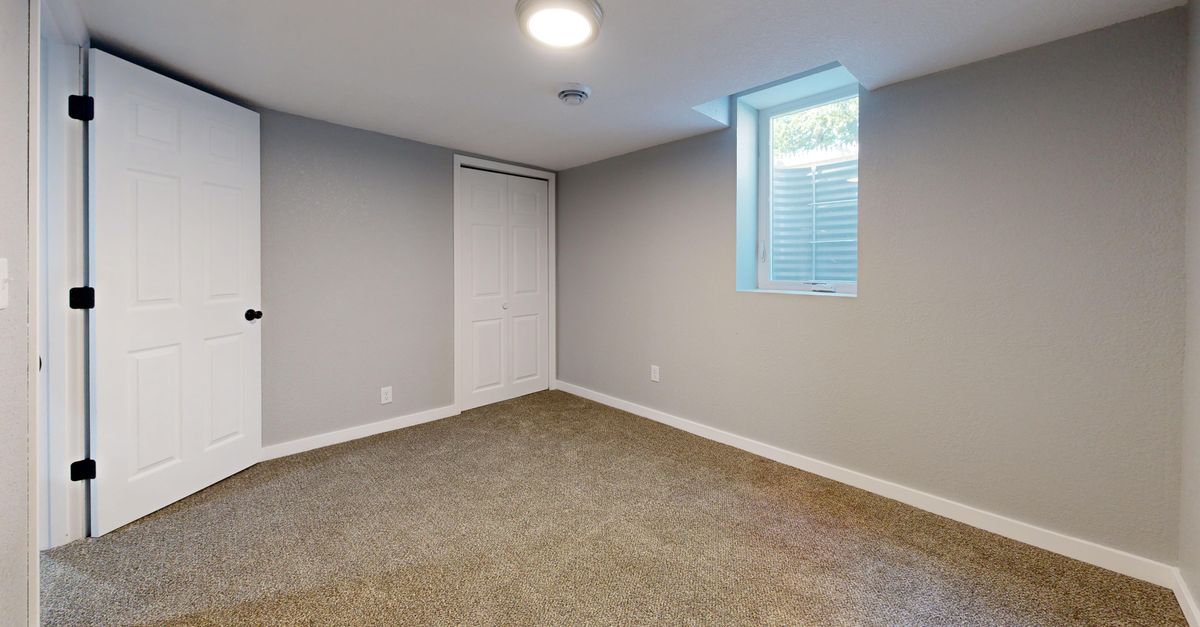
Basements are a critical part of any home’s structure and aesthetics. In Boston, where humidity swings between damp winter moisture and dry summer air, the right paint job can protect walls from mold, improve light levels, and boost resale value. This article walks you through the essential factors to evaluate before selecting a basement painting service, so you avoid common pitfalls and achieve lasting results.
Understanding Basement Painting Needs
The first step is identifying why you need to paint your basement. Is it simply a cosmetic refresh, or are there structural concerns like water seepage, cracks, or mold? Boston’s historic brick foundations often harbor hidden moisture; addressing these issues before painting prevents future damage.
Key considerations for your project
- Moisture assessment: Check for dampness, condensation, or standing water. A simple test is to leave a small square of paper on the wall for 24 hours; if it becomes soggy, moisture is present.
- Wall material: Brick, concrete, or drywall each require specific primers and paints. Concrete walls need a waterproofing primer, while drywall can use standard moisture‑resistant paint.
- Lighting goals: Light‑reflecting finishes can brighten low‑light areas. If your basement is used for entertainment, choose an eggshell finish to reduce glare.
- Future use: Is the basement a living space, storage, or unfinished attic? Living spaces demand stricter air quality standards and smoother finishes.
- Budget constraints: Balance cost with durability and finish quality. A higher initial investment often saves money by reducing future repairs.
The goal is to create a baseline that informs every subsequent decision. In my experience, homeowners who neglect the moisture assessment often face costly repairs later on.
Common Issues in Boston Basements
Basements in older Boston homes frequently suffer from a handful of recurring problems that paint professionals must address.
1. Water Infiltration and Dampness
Boston’s freeze‑thaw cycle can cause cracks in foundations, allowing groundwater to seep into the basement. Persistent dampness not only stains walls but also fosters mold growth.
2. Mold and Mildew Growth
Mold thrives where moisture lingers. A primer containing biocides can suppress fungal spores, preventing them from re‑emerging after painting.
3. Cracked or Uneven Walls
Structural shifts over decades lead to visible fissures. These need patching and smoothing before any paint application to avoid an uneven finish.
What you should watch for during a contractor visit
- Visible water stains on walls or ceilings.
Addressing these problems early ensures your new paint lasts longer and remains free from mildew.
Choosing the Right Paint and Finish
The type of paint matters as much as the color choice. For basements, durability against moisture and easy maintenance are top priorities.
High‑Moisture Primer
A waterproofing primer seals pores in concrete or brick walls, creating a barrier that prevents water from re‑absorbing into the surface.
Semi‑Gloss or Eggshell Finishes
These finishes resist stains and are easier to clean than flat paints. They also reflect more light, which is beneficial for dim basements.
Low VOC Options
Boston’s environmental regulations favor low volatile organic compound paints that reduce indoor air pollution—important if the basement will serve as a living area.
Paint selection checklist
- Finish type (semi‑gloss, eggshell)
- Moisture rating and waterproofing additives
- Color temperature (warm or cool) to complement lighting
- Brand reputation and warranty terms
- Environmental certifications (EPA, Green Seal)
Choosing the right paint reduces maintenance costs and keeps your basement looking fresh longer. A well‑chosen primer can extend a paint job’s life by up to 30% in high‑humidity environments.
Professional vs. DIY Basement Painting
While many homeowners consider a DIY approach to save money, basements pose unique challenges that often justify hiring professionals.
Preparation Workload
Cleaning, repairing cracks, and applying primer can take days of meticulous work—time most families cannot spare.
Safety Concerns
Basement floors are uneven, and improper ventilation can lead to health risks. Professionals have the right equipment and experience to mitigate these issues.
Quality Assurance
A reputable contractor offers warranties on both labor and materials; a DIY job typically lacks this safety net.
Cost comparison snapshot
- DIY: $1,200–$2,000 (materials only)
- Professional: $3,000–$5,000 (includes prep, labor, warranty)
- Long‑term savings from reduced rework and maintenance
For most Boston homeowners, the higher upfront cost of professional services pays off through durability, safety, and peace of mind.
Cost Considerations and Budgeting
Basement painting costs vary based on several factors: square footage, wall condition, paint type, and contractor rates.
- Base labor rate per hour: Typically $60–$90 in Boston.
- Material cost per gallon: Premium primers can be $30–$50; high‑quality finishes range from $35–$70.
- Prep work surcharge: Large crack repair or mold remediation may add 10–15% to the estimate.
Create a detailed budget by asking contractors for itemized quotes. Include contingency funds (about 10%) for unforeseen repairs that often arise in older homes.
Timeline and Project Management
A well‑structured timeline ensures minimal disruption to your household. Typically, a professional basement painting job takes 5–7 days from start to finish.
- Day 1–2: Site prep & moisture assessment
- Day 3: Crack repair and primer application
- Day 4–6: Paint layers (first coat, drying, second coat)
- Day 7: Final inspection and cleanup
Ask the contractor for a written schedule and confirm that they will notify you of any delays. Reliable communication is key to staying on track.
Maintenance Tips for Longevity
Once your basement is painted, ongoing care keeps it looking new.
- Regular cleaning: Dust and wipe walls with a damp cloth every 3–6 months to prevent grime buildup.
- Moisture control: Keep dehumidifiers running during humid seasons; inspect for leaks promptly, especially after heavy rain or snow melt.
- Touch‑ups: Small chips or stains can be corrected within weeks to prevent larger damage—use a matching primer and paint for seamless results.
- Ventilation: Ensure proper airflow, especially if the basement is used as a living space; consider installing an exhaust fan or improving existing HVAC ducts.
- Repaint schedule: Plan for a full repaint every 8–10 years depending on wear and tear—this preempts costly repairs later.
Adhering to these practices extends the life of your paint job and protects your investment.
What are the most common hidden issues you’ve discovered in Boston basements before painting, and how did you address them?


