
What Should You Know Before Hiring a High‑End Exterior Painting Service?
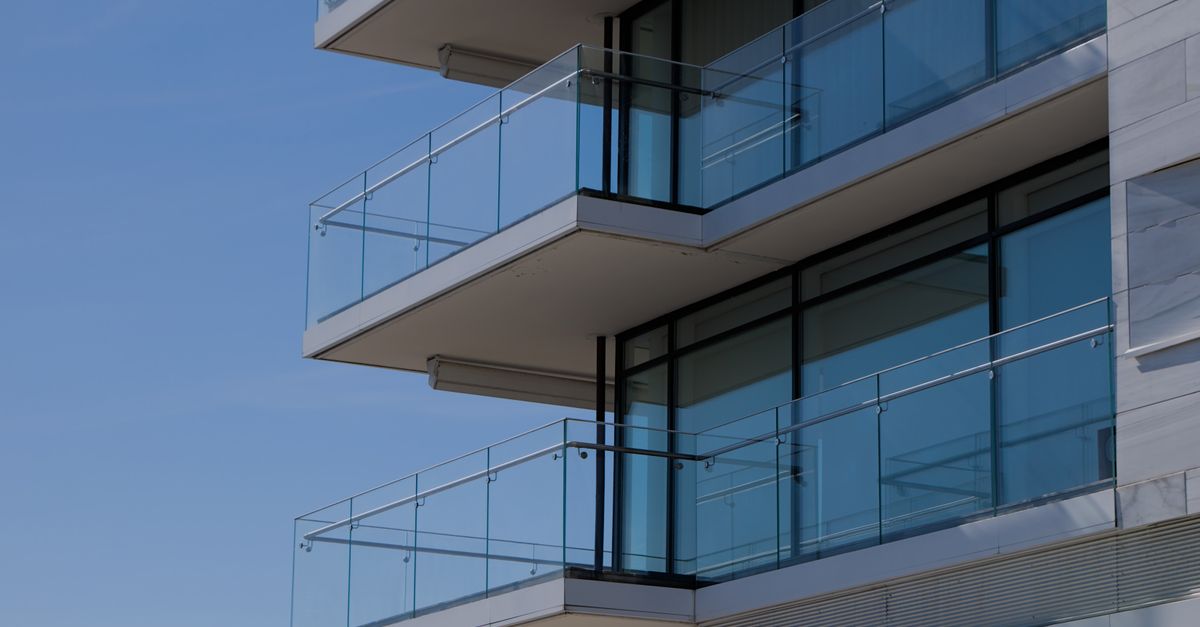
When a building’s exterior is the first thing people see, its paint job becomes part of your brand or curb appeal. Choosing a painting partner that delivers comprehensive solutions—covering prep, material selection, execution and maintenance—is critical whether you’re updating a storefront or refreshing a family home. A well‑executed paint project not only protects the structure from weather damage but also communicates professionalism, care, and attention to detail.
1. Understanding the Scope of Comprehensive Painting Solutions
A comprehensive painting solution covers more than just a fresh coat of paint. It includes surface preparation, protective coatings, color strategy, project scheduling, and post‑job maintenance plans. In my experience, contractors who only focus on the final spray often miss hidden defects that can compromise durability.
Key Elements of a Full‑Service Painting Package
- Surface inspection and testing (e.g., moisture content, adhesion)
- Detailed prep work: power washing, scraping, patching, priming
- Selection of paints that match environmental conditions and building codes
- Application techniques tailored to wall type and finish desired
- Quality control checkpoints throughout the project
- Final inspection with documentation for warranty purposes
- Clean‑up and restoration of surrounding areas
- Optional maintenance schedule or touch‑up plan
These steps ensure that a painting job lasts longer, looks better, and requires fewer repairs. For instance, a moisture test may reveal hidden dampness behind brickwork; addressing it during prep eliminates future peeling and mold growth. Likewise, an adhesion check guarantees the primer will bond correctly, preventing flaking that could expose the substrate to environmental damage.
2. Exterior vs Interior Painting for Businesses
Commercial properties often face harsher weather exposure, higher foot traffic, and stricter branding requirements than residential sites. Exterior painting must withstand UV radiation, temperature swings, and pollution, while interior work focuses on aesthetics and air quality.
Factors to Evaluate When Choosing a Contractor for Business Spaces
- Experience with commercial code compliance (e.g., fire ratings, environmental standards)
- Ability to minimize downtime—working off‑hours or in phases
- Use of low‑VOC or eco‑friendly products if the building hosts sensitive occupants
- Warranty terms that cover both paint and application defects
- Reputation for on‑time delivery and budget adherence
- Flexibility to accommodate seasonal weather windows
- Capability to integrate with existing maintenance systems
These criteria help you select a partner who understands the unique demands of business environments. For example, a retail store may need quick turnaround during holiday seasons; a contractor that offers night work or phased painting can keep your doors open while still delivering quality results.
3. Choosing High‑End Painting Services – What Quality Means
A high‑end painting service is distinguished by its commitment to craftsmanship, premium materials, and meticulous project management. It isn’t just about expensive paint; it’s about a holistic approach that protects the structure and enhances visual appeal.
Indicators of a Premium Painting Contractor
- Certifications from industry bodies (e.g., Paint Quality Assurance)
- Use of high‑performance coatings with proven longevity
- Transparent pricing breakdowns showing material versus labor costs
- Detailed project plans including risk mitigation steps
- Client testimonials that reference specific outcomes
- Post‑installation support such as a dedicated service hotline
- Continuous training for crew on latest techniques and safety protocols
When you can’t afford to compromise, these indicators help you avoid subpar results. A premium contractor will also offer a color consultation session, where a paint expert works with your brand team to select hues that reinforce identity while meeting local lighting conditions.
4. Cost Breakdown and ROI for Home Painting Services
Homeowners often underestimate how many factors influence the total cost of a painting job. Understanding each component helps you budget accurately and evaluate return on investment (ROI).
Main Cost Drivers in Residential Projects
- Surface area measured in square feet, affecting paint volume needed
- Type of exterior material—brick, stucco, vinyl siding—each requires different prep methods
- Paint quality tier: economy vs. premium finishes and their lifespan
- Labor rates adjusted for crew skill level and geographic location
- Permit fees when required by local ordinances
- Additional services (e.g., roof or gutter painting, trim work)
While a higher upfront cost may seem steep, premium paint and thorough prep often reduce maintenance expenses over 10‑15 years, delivering a net positive ROI. For instance, a high‑performance coating can extend the interval between touch‑ups from three to five years, saving you money on labor and materials in the long run.
Key takeaway: A comprehensive painting solution is an investment in durability and brand perception; the right contractor balances quality, cost, and schedule to deliver lasting results.5. Common Mistakes and How to Avoid Them
Even seasoned contractors can slip into shortcuts that undermine a project’s integrity. Recognizing these pitfalls early saves time and money.
- Skipping surface testing, leading to premature paint failure
- Using low‑grade primers on porous substrates
- Applying paint in unsuitable weather conditions
- Underestimating the need for multiple coats or touch‑ups
- Lacking a documented maintenance plan that extends warranty coverage
A diligent contractor will address each of these through pre‑project audits and transparent communication. For example, they may schedule a moisture test before any prep begins, ensuring that any hidden dampness is corrected early.
In my experience, projects where contractors scheduled a full prep phase—including moisture testing and surface repair—ended up with fewer touch‑ups and longer‑lasting finishes. I’ve seen a commercial lobby painted once every decade instead of twice, thanks to proper priming and protective coatings.Conclusion
The decision to hire a painting service should be guided by the scope of work, the specific needs of your property, and the contractor’s proven track record. By asking the right questions about preparation, material quality, cost structure, and maintenance plans, you can secure a high‑end exterior paint job that protects your investment for years.
Before signing any agreement, request a detailed proposal that outlines every step—from initial inspection to final clean‑up—and verify that it includes contingency provisions for weather delays or unforeseen repairs. A transparent process will give you peace of mind and help prevent surprises later on.
What criteria do you prioritize most when selecting a painting contractor for your business or home?


