
What Factors Should I Consider When Hiring a Commercial Painting Contractor?
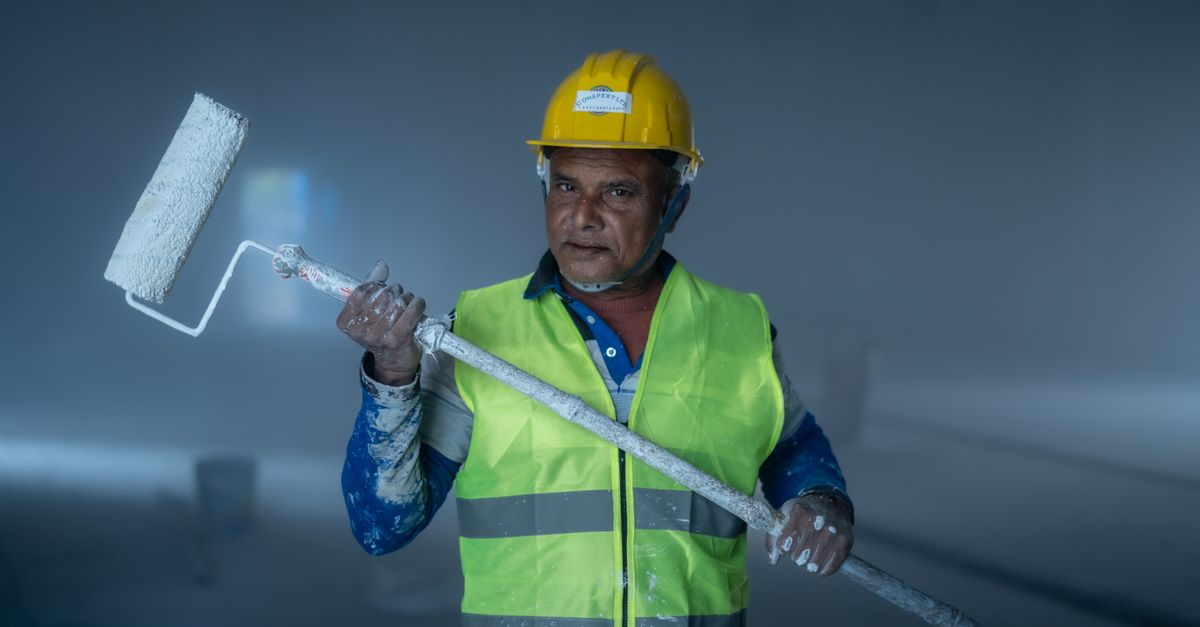
The decision to repaint your business space is more than an aesthetic choice; it’s a strategic investment that impacts safety, brand perception, and operational efficiency. In 2026, with evolving materials and sustainability standards, selecting the right painting contractor can save time, money, and headaches.
Commercial Painting: Scope and Standards for Business Spaces
Commercial painting encompasses office interiors, retail storefronts, warehouses, and public facilities. Unlike residential jobs, commercial projects demand high durability, minimal downtime, and compliance with fire codes, ADA regulations, and environmental guidelines. A reputable contractor will use VOC‑controlled paints, provide surface preparation plans, and schedule work around your business hours.
Because commercial properties often host large crowds or contain valuable equipment, the paint system must resist abrasion, moisture, and chemical exposure. Modern low‑VOC formulations not only protect indoor air quality but also reduce the need for extensive ventilation during application, making them ideal for busy environments.
Checklist for Selecting a Commercial Painting Contractor
- Verify licensure, bonding, and insurance coverage. A contractor with proper credentials protects you from liability if an accident occurs on site.
- Request detailed estimates with itemized costs. Breakdowns that include prep work, primer, paint layers, and cleanup help identify hidden fees early.
- Check references from similar industry clients. Hearing how a contractor handled a high‑traffic hotel or a busy retail store gives insight into their workflow.
- Confirm use of high‑performance, low‑VOC products. Ask for product data sheets to ensure they meet your environmental and performance goals.
- Ask about surface prep procedures and cleanup plans. Proper sanding, priming, and debris removal are critical for long‑lasting adhesion.
- Review their scheduling flexibility. A contractor who can work during off‑peak hours or overnight reduces business disruption.
The right contractor will balance quality with schedule adherence, ensuring your space looks fresh without disrupting operations.
In my experience, choosing a contractor who provides detailed estimates and references saves time.Fireplace Painting: Enhancing Warmth While Protecting Surfaces
Whether you’re updating an office lounge or a hotel lobby, fireplace painting adds character but requires careful preparation. The heat‑resistant coating must be applied correctly to prevent flaking and ensure safety. A seasoned contractor will sand, prime, and apply at the correct temperature range.
Fireplace surfaces are exposed to extreme temperatures and thermal cycling, which can cause paint failure if not addressed properly. Selecting a product rated for high heat and ensuring proper curing time protects both the structure and occupants from potential hazards.
Key Steps for Successful Fireplace Painting
- Inspect for cracks or moisture damage before painting. Addressing underlying issues prevents future peeling.
- Use a high‑temperature primer specifically rated for masonry. This provides a stable base that resists heat and adheres to rough surfaces.
- Select an enamel or urethane finish that withstands heat. These coatings offer flexibility and durability under repeated temperature changes.
- Apply multiple thin coats, allowing adequate drying time. Thin layers reduce the risk of crazing and provide a smoother final appearance.
- Test a small area first to confirm color stability. A pilot patch helps verify that the finish will hold up over time before committing to the entire surface.
Properly painted fireplaces become focal points without compromising safety standards.
Hotel Painting Services: Maintaining Guest‑Facing Aesthetics
Hotels operate in high‑traffic environments where every surface reflects brand quality. Paint jobs must be swift, durable, and aesthetically consistent across rooms and public areas. Hotel painting services often include specialized color matching for branding, moisture control in bathrooms, and quick turnaround to minimize room downtime.
Because guests expect a polished environment, the paint system must resist scuffs from luggage, cleaning products, and frequent hand contact. Low‑odor, fast‑dry paints also reduce the impact on guest comfort during refurbishment.
Essential Criteria for Hotel Painting Contractors
- Experience with hospitality industry standards. Understanding local health codes and brand guidelines ensures compliance.
- Ability to work during off‑peak hours or overnight. Minimizing disruptions keeps guests satisfied and operations running smoothly.
- Proven track record of color consistency across large areas. Consistency reinforces brand identity and avoids visual dissonance.
- Use of low‑odor, fast‑dry paints to reduce guest impact. This allows rooms to be re‑opened quickly after painting.
- Clear communication and scheduling flexibility. Transparent timelines help hotel managers coordinate with housekeeping schedules.
A skilled hotel painter will keep your property looking polished while respecting guests’ comfort.
Paint Touch-Up Services: Quick Fixes for Ongoing Maintenance
Even the best‑painted surfaces require periodic touch-ups due to wear, accidental damage, or changes in décor. Paint touch-up services focus on small, targeted repairs that blend seamlessly with existing paint layers. This service is ideal for high-traffic areas like conference rooms, elevators, and entryways.
Regular touch-ups not only preserve aesthetic appeal but also prevent minor issues from evolving into larger problems such as mold growth or structural damage.
What to Expect from a Paint Touch-Up Service
- Assessment of color match and surface condition. The technician will compare the existing paint to the original formulation.
- Preparation of the repair area with minimal disruption. This may involve sanding, cleaning, or applying a primer patch.
- Application of matching paint or glaze. Precision blending ensures the touch-up is invisible under normal conditions.
- Quality inspection before final approval. A visual check guarantees that the repair meets your standards.
- Documentation of touch-up locations for future reference. Keeping a log helps schedule proactive maintenance in the future.
Regular touch-ups extend the life of your paint job and maintain a professional appearance.
Garage Floor Painting: Protecting Surfaces in Industrial Settings
Industrial garages, warehouses, and automotive shops need durable floor coatings that resist oils, chemicals, and heavy traffic. Epoxy or polyurethane floor paints provide slip resistance and longevity. Proper surface preparation—cleaning, grinding, and priming—is critical for adhesion.
Floor coatings also serve as a first line of defense against corrosion and wear, reducing costly repairs and downtime.
Steps to a Successful Garage Floor Painting Project
- Conduct a thorough cleaning and degreasing of the concrete. Removing oils and contaminants ensures strong bond.
- Repair cracks or uneven areas with patching compound. A level surface prevents future chipping.
- Apply a bonding primer compatible with your chosen topcoat. This step enhances adhesion between substrate and paint.
- Use an epoxy or polyurethane floor paint for durability. These systems resist abrasion, chemical spills, and heavy equipment movement.
- Allow adequate curing time before allowing heavy traffic. Following manufacturer recommendations guarantees maximum performance.
A well‑finished garage floor reduces maintenance costs and enhances safety.
Putting It All Together: A Practical Decision Framework
Choosing the right painting solution involves aligning your business needs with contractor capabilities. Start by defining the scope—commercial, fireplace, hotel, touch-up, or garage floor—and set clear objectives for durability, aesthetics, and downtime. Next, evaluate contractors against the checklists above, ensuring they meet licensing, experience, and product standards. Finally, negotiate a detailed contract that specifies timelines, quality benchmarks, and post‑job support.
When drafting the contract, include clauses that cover potential overruns, material substitutions, and a clear dispute resolution process. A well‑structured agreement protects both parties and establishes accountability from day one.
The key takeaway: A thorough evaluation of scope, contractor credentials, and material specifications turns painting from a maintenance chore into a strategic business asset.By following these structured steps, you’ll secure a painting partner who delivers quality work on schedule, protects your investment, and enhances the overall experience for employees, guests, or customers. The right contractor not only revitalizes your space but also supports long‑term operational goals such as energy efficiency, compliance, and brand consistency.
What challenges have you faced when selecting a painting contractor, and how did you overcome them?


