
How to Find Reliable Painting Services for Affordable Interior Painting
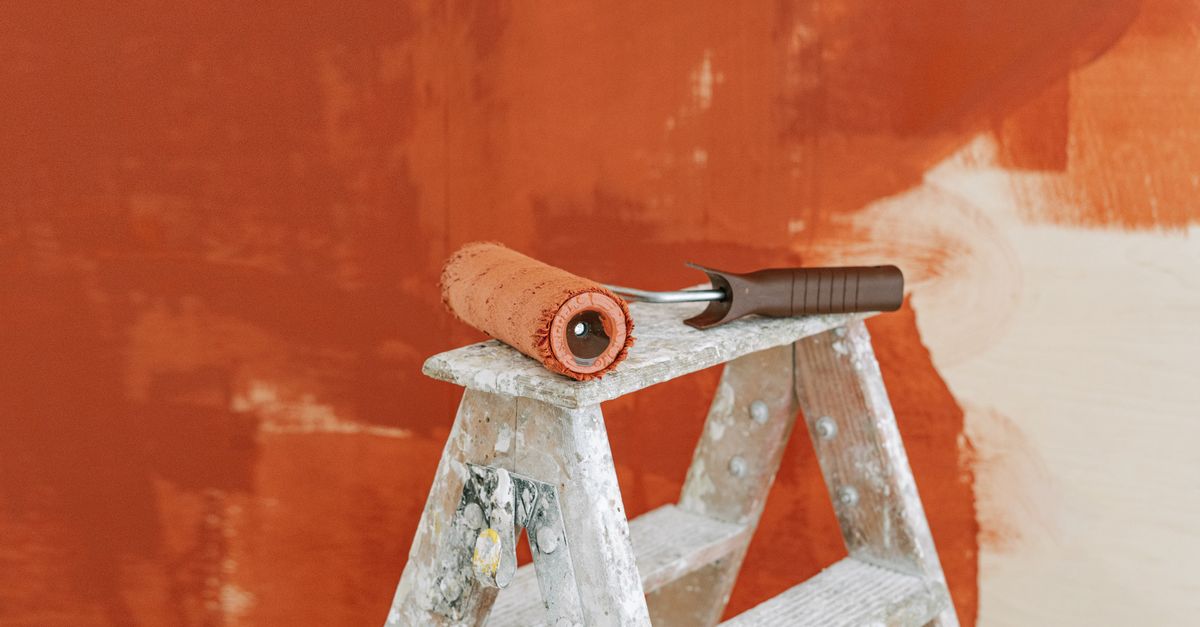
I’ve spent years turning a rough wall into a finished masterpiece, and I know the difference between a good painter and a mediocre one. When you’re looking for reliable painting services that won’t break the bank, you need a clear plan: define your goals, vet providers carefully, and understand the costs involved.
Understanding Your Painting Needs
Before you even call a contractor, ask yourself what you want to achieve. Are you repainting a single room or tackling an entire house? Do you need specialized finishes like epoxy for garage floors, or are you just looking for a fresh coat of paint? The answers shape your budget, timeline, and the level of expertise required.
Checklist: Defining the Scope
- Identify rooms or areas needing paint. Walk through each space with a measuring tape; note ceiling height, wall texture, and any architectural features that may affect coverage.
- Decide on paint type (latex, oil‑based, specialty). Latex is easy to clean and dries quickly, but oil‑based paints offer superior durability on high‑traffic areas like hallways or kitchen cabinets.
- Determine if surface prep is required. Rough patches, old wallpaper, or uneven drywall need sanding and priming before a new coat will adhere properly.
- Set a realistic timeline. Consider your own schedule—if you’re moving in soon, you’ll want a tighter deadline; otherwise, allow extra days for drying between coats.
- Allocate budget per square foot. A typical interior paint job ranges from $1.50 to $4.00 per square foot when including labor and materials; use this as a baseline for comparison.
Once you have this baseline, you can ask the right questions and avoid surprises later on.
Key Qualities of Reliable Painting Services
A reliable painter shows professionalism through credentials, communication, and a proven track record. Don’t just rely on price; check for insurance, licensing, and references.
What to Verify
- Valid contractor license and bonding. A license number should match the state’s public database; bonds protect you against unpaid labor or incomplete work.
- General liability and workers’ compensation insurance. Ask for a copy of each policy; it guarantees that accidents on your property will be covered.
- Positive online reviews from recent clients. Look for detailed accounts, not just star ratings—specific mentions of punctuality or clean-up give deeper insight.
- Portfolio of completed projects similar to yours. Photos of past jobs can reveal the painter’s attention to detail and finish quality.
- Clear, written estimate with itemized costs. A transparent quote should break down labor hours, material types, prep work, and any potential add‑ons.
These checkpoints help you filter out service providers who might cut corners or leave the job unfinished. When you ask for these items upfront, you’re setting a standard that the contractor must meet.
How to Evaluate Affordability Without Compromising Quality
Affordability is not just about getting the lowest bid. It’s about value—materials, labor, and longevity. Compare quotes side by side but look beyond the headline number.
Comparing Quotes Effectively
- Material costs per gallon or square foot. High‑quality paint may cost more initially but often requires fewer coats, reducing overall usage.
- Labor hours estimated versus actual time. Ask how many hours the painter expects and why; this reveals their workflow efficiency.
- Warranty terms for paint and workmanship. A longer warranty indicates confidence in both product and technique.
- Cleanup and disposal fees. Some contractors include these costs, while others bill separately—clarify to avoid hidden charges.
- Any additional services (e.g., sanding, priming). Including these in the estimate ensures you don’t pay for them later.
A higher upfront cost can save you money in the long run if it means fewer touch‑ups or a longer‑lasting finish. Compare the total life cycle cost rather than just the initial bid.
Custom Color Matching: Making Your Vision Real
If the paint shop offers custom color matching, you’re getting a personalized solution that ensures consistency across rooms and surfaces. I’ve seen clients get frustrated when a “standard” shade looks different on their wall.
Steps in Custom Color Matching
- Provide a reference sample or photo. Bring the actual paint chip or a high‑resolution image taken under natural light.
- Use spectrophotometer data for precise matching. This device measures color wavelengths, giving an exact formula that can be replicated on any surface.
- Test the color in natural light at different times of day. Colors shift with light; a sample on your wall should look consistent under morning, midday, and evening lighting.
- Adjust formula to account for surface material. Porous drywall absorbs more paint than glossy laminate, so slight adjustments may be necessary.
- Confirm final paint batch before full application. Request a small test patch; if satisfied, the painter can proceed with the complete job.
When you invest in this process, the result is a cohesive look that’s hard to replicate with off‑the‑shelf paints. It also protects against future mismatches when touch‑ups are needed.
Garage Floor Painting: Specialized Services
Garage floors demand durability. Epoxy or polyurethane coatings resist stains, chemicals, and heavy traffic. Many interior painting companies also offer these solutions, but the techniques differ from wall paint.
Key Considerations for Garage Floors
- Surface preparation: concrete cleaning, etching, patching. The floor must be free of oil, dust, and cracks; otherwise, the coating won’t adhere.
- Choice of coating: two‑component epoxy vs. single‑coat polyurethane. Epoxy offers a thicker, more resilient finish but requires mixing on site; polyurethane is easier to apply but may need multiple coats for high durability.
- Curing time and ventilation requirements. Epoxy can take 24–48 hours to cure fully; ventilate the space or use fans if you’re in a closed garage.
- Color options and gloss level. Matte finishes hide imperfections, while high‑gloss adds shine but shows scratches more readily.
- Warranty coverage for cracks or peeling. A solid warranty indicates confidence that the floor will remain intact under normal use.
A professional who understands these nuances can deliver a finish that lasts years, protecting your investment. The initial cost may be higher than a simple paint coat, but the longevity often justifies the expense.
Hiring a Painter for Hire: Step‑by‑Step Guide
The hiring process is as important as the final paint job. A clear contract and open communication prevent misunderstandings.
Essential Interview Questions
- How many years of experience do you have? Experience often correlates with problem‑solving ability and technique refinement.
- Can you provide references or a portfolio? A reputable painter will gladly share recent client testimonials and photos.
- What’s your approach to prep work? Ask whether they sand, patch, prime, and if they have a dedicated prep crew.
- Do you offer a written guarantee? Verify the length of coverage and what is covered—paint or workmanship.
- Will there be a single point of contact during the project? Consistent communication reduces miscommunication and speeds issue resolution.
After selecting a candidate, draft a contract that covers scope, timeline, payment schedule, and change‑order procedures. Include clauses for weather delays if you’re working in a region with variable conditions and specify how disputes will be resolved. A written agreement protects both parties and ensures accountability.
Common Mistakes to Avoid When Painting Your Home
Even seasoned homeowners make errors that cost time and money. Being aware of these pitfalls helps you steer clear.
Top Mistakes and How to Dodge Them
- Skipping surface prep—leads to poor adhesion. Even a quick wipe down can remove dust, but sanding or patching is essential for older walls.
- Using low‑quality paint—shorter lifespan, more touch‑ups. Invest in a reputable brand; it often costs less over the life of the job.
- Applying too many coats—wastes material and extends drying time. Most modern paints achieve coverage in one or two thin layers; extra coats can trap moisture.
- Neglecting ventilation—causes fumes and health risks. Keep windows open, use fans, and wear a mask if you’re sensitive to VOCs.
- Lacking a clear schedule—results in rushed or overlapping work. Coordinate prep, priming, painting, drying, and cleanup days in the contract.
Addressing these issues upfront saves you headaches later on. For instance, a simple primer can eliminate an otherwise costly second coat.
Final Checklist Before You Sign the Agreement
This checklist ensures you’ve covered all bases before committing to a painter.
Pre‑Signing Verification List
- All credentials verified and documented. Store copies of license, insurance, and bonding for future reference.
- Written estimate reflects actual needs. Cross‑check the scope items with your own checklist to avoid omissions.
- Contract includes detailed scope, timeline, and payment terms. Make sure it lists every task—from sanding to final walk‑through—and the due dates for each milestone.
- Warranty and liability clauses clearly stated. Confirm what is covered in case of damage or defects after completion.
- Contact information for the project lead is provided. You should know who will answer questions, submit change orders, or resolve issues.
- Proof of insurance posted on site during work. The painter should display a current certificate at the job location.
When every item ticks the box, you’re ready to start a smooth, successful painting project. A well‑structured contract and clear expectations help keep the job on track and within budget.
The biggest takeaway: reliable painting services combine solid credentials, clear communication, and value‑oriented pricing. Focus on these elements, not just the lowest quote. What question do you have about selecting the right painter for your next home improvement project?


