
How to Choose the Best Basement, Pet-Friendly, Custom, Hotel, or Child‑Safe Painting Service in 2026
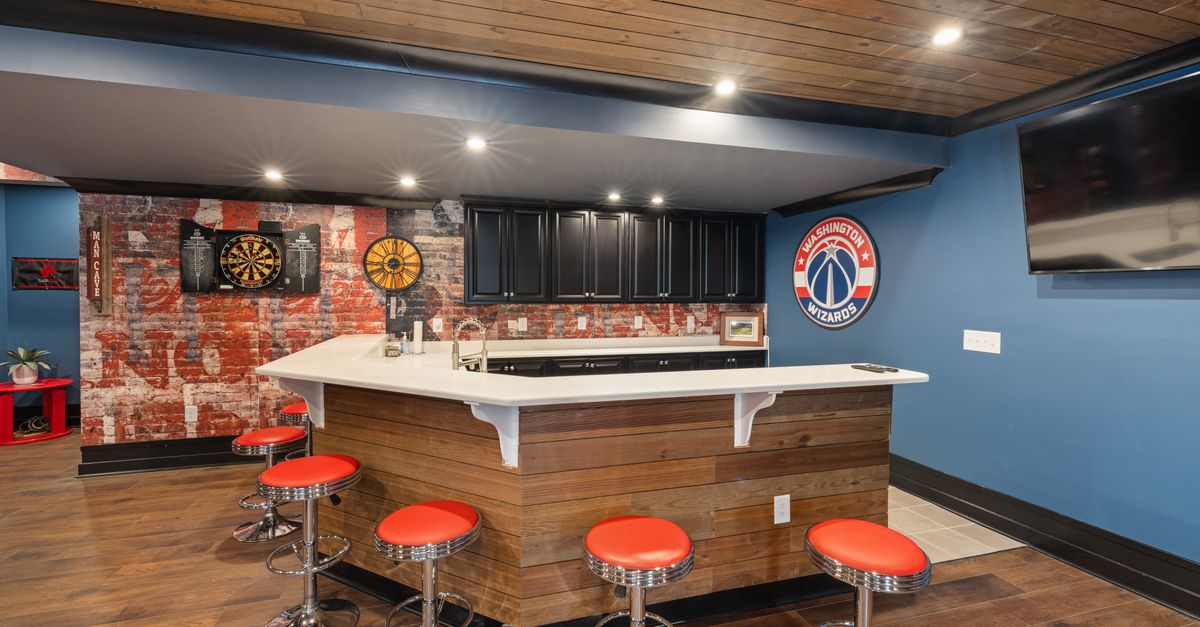
I’ve spent years evaluating every kind of service that claims to improve a space. When it comes to painting, the stakes are high—moisture damage can ruin a basement, pets can trigger allergic reactions, kids need non‑toxic finishes, hotels demand durability, and custom designs require craftsmanship. In this review I break down what matters for each niche, list key criteria, point out common pitfalls, and give you a clear framework to make an informed decision.
Choosing the Right Basement Painting Service
Basement painting is more than a color choice; it’s about moisture control, mold prevention, and long‑term durability. I look for contractors who use waterproof primers and high‑quality sealants that meet ASTM standards. The best providers also handle any pre‑painting remediation—removing mold, fixing leaks, and ensuring proper ventilation before the paint even touches the walls.
Before a contractor even arrives, it can be helpful to conduct a quick moisture test with a simple hygrometer or a moisture meter probe. If the readings exceed 6–7 % relative humidity, you’ll want to address ventilation or dehumidification first. A well‑prepared basement will also have all electrical fixtures and plumbing exposed before painting so that no hidden leaks compromise the finish later.
Key Factors to Evaluate a Basement Painting Contractor
- Certification in waterproofing or mold remediation
- Experience with commercial moisture‑control products
- Transparent pricing that includes prep work, primer, and finish coats
- Warranty covering paint failure due to dampness for at least 2 years
- References from recent basement projects
- Ability to schedule work around your household’s routine
The most common mistake homeowners make is ignoring the prep phase. In my experience, skipping mold removal or using a generic primer often leads to peeling paint within months.
It can also be useful to document baseline moisture levels with photos and notes before the work starts; this documentation becomes valuable if you need to verify that any future dampness is due to new issues rather than the original problem. Some contractors will provide a short dehumidifier rental during the project to keep humidity below 45 %—a simple step that can extend the life of both walls and paint.
Pet‑Friendly Painting: Keeping Your Furry Friends Safe
If you have dogs like Bella, Sky, or Snowball, the last thing you want is fumes that trigger allergies or skin irritation. Pet‑friendly painting services prioritize low VOC (volatile organic compound) paints and quick‑dry finishes so pets can return to the room safely.
Recommended Low‑VOC Paint Brands for Pets
- Benjamin Moore Natura
- Pearl & Dean Eco‑Friendly series
- Sherwin‑Williams Harmony
- Chemical Guys 100% Natural Paints
- Farrow & Ball “Non‑Toxic” line
When hiring a pet‑friendly painter, ask about their safety protocols: do they use HEPA vacuums for dust removal? Do they test the paint’s VOC levels? I’ve found that producers who provide lab reports on emissions give me peace of mind.
It’s also worth discussing ventilation plans. Even low‑VOC paints benefit from a short period of fresh air after application; opening windows or running fans can reduce any residual odors. Some contractors will leave the work area sealed for 24–48 hours before pets are allowed back in, which is especially important if you’re dealing with puppies that have sensitive noses.
Another practical tip is to schedule the painting during a period when your pet’s routine allows them to stay outside or in a designated safe room. Most contractors can accommodate short “pet‑free” windows so the paint dries without interference, and they’ll supply a temporary enclosure if needed.
Custom Paint Designs for Unique Spaces
Whether you want a mural in your living room, a textured finish on a kitchen wall, or an accent color behind a fireplace, custom paint design services can transform your home. The key is to choose a firm that offers both creative vision and technical skill.
Design Ideas That Add Value
- Geometric murals for modern living rooms
- Stenciled patterns on baseboards for a subtle touch
- Textured finishes like eggshell or satin with hand‑painted accents
- Color‑blocking walls to create visual zones in open plans
- Eco‑friendly “earth tone” palettes that reduce glare and enhance comfort
Before committing, request a portfolio that demonstrates the firm’s ability to translate concepts into reality. In my experience, seeing before‑and‑after photos of similar projects helps avoid misaligned expectations.
During the design phase, many custom painters use large scale mockups or digital renderings to show you how a mural will look once finished. This step is invaluable because paint colors can shift when applied to different surfaces. A good contractor will also offer color swatches and sample panels so that you can hold them side‑by‑side before making your final decision.
If you’re interested in more than just wall art, consider incorporating subtle lighting or reflective accents into the design. For example, a carefully positioned LED strip behind a textured panel can add depth without compromising safety or maintenance.
Hotel Painting Services: Commercial Standards and Longevity
Hotels require paint that can withstand heavy foot traffic, frequent cleaning, and the demands of a 24/7 operation. The right service will use high‑performance coatings, schedule work during off‑peak hours, and deliver within tight timelines.
What Hotels Look For in Painting Contractors
- Durable acrylic or urethane finishes with UV resistance
- Compliance with hospitality industry safety standards (e.g., NFPA 101)
- Fast‑drying formulas to minimize downtime
- Experience in large‑scale projects and ability to coordinate with other contractors
- Clear communication on color matching for brand consistency
A common mistake is choosing a contractor based solely on price. In my experience, the cheapest bid often leads to higher long‑term maintenance costs.
Hotels also need strict adherence to fire safety regulations. Many commercial paint lines come with certifications that confirm they meet Class A or Class B flammability ratings—information that contractors must provide upfront. Additionally, large properties often use a “zone” approach: dividing the space into manageable sections so crews can work simultaneously without compromising quality.
Because hotels operate around the clock, some painting companies employ overnight crews to keep guest rooms closed for minimal periods. They’ll coordinate with housekeeping and maintenance teams to schedule clean‑up and ensure that all safety signage is in place during the transition.
Child‑Safe Paints: Protecting the Little Ones
If you have Adela or any other children in your household, child‑safe paint is essential. These paints are lead‑free, low‑odor, and designed to be durable against frequent touching and cleaning.
Attributes of Child‑Safe Paints
- No lead or heavy metals
- Low VOC content (below 50 ppm)
- Quick‑dry times under 30 minutes
- Non‑slimy finish to prevent residue on skin
- Resistance to scuffs and stains for easy cleaning
When selecting a contractor, verify that they use these products. In my experience, certified child‑safe paint applications reduce the risk of accidental ingestion or skin irritation.
Child‑safe projects also benefit from a “no‑touch” period after application. A typical recommendation is to keep children out of the room for 24 hours and to avoid any cleaning agents that might leave residue on freshly painted surfaces. Many contractors offer a short post‑application inspection to ensure no tackiness remains, giving parents peace of mind.
It’s wise to discuss a maintenance plan with your painter: a quick wipe‑down schedule using non‑abrasive cleaners can keep the finish pristine without compromising its child‑friendly properties.
Common Mistakes to Avoid When Hiring a Painting Contractor
Even with thorough research, there are pitfalls that can derail your project. Pay attention to these warnings:
- Not getting a detailed written estimate covering all materials and labor.
- Assuming the lowest quote means better value without evaluating quality.
- Ignoring the importance of surface prep—cleaning, sanding, priming.
- Failing to verify insurance coverage for accidental damage.
- Overlooking post‑installation support or maintenance plans.
Address these concerns early to keep your budget and timeline on track.
Cost Breakdown and Budgeting Tips
The cost of painting varies by scope, materials, and location. Below is a general range for each service type in 2026 based on current market data:
- Basement Painting: $3–$5 per square foot (including prep).
- Pet‑Friendly Services: Add $0.50–$1.00 per square foot for low‑VOC paints.
- Custom Design Projects: $4–$8 per square foot, depending on complexity.
- Hotel Painting: $5–$10 per square foot due to commercial-grade materials and expedited schedules.
- Child‑Safe Paints: $3.50–$6 per square foot with specialized finishes.
To stay within budget, request a phased payment schedule tied to milestones: deposit, after prep, mid‑project, final payment upon completion. In my experience, paying in stages keeps contractors accountable and reduces the risk of over‑charging at the end.
It’s also wise to set aside a contingency—usually 5–10 % of the total cost—for unexpected discoveries such as hidden water damage or structural repairs. Including this buffer in your contract protects you from surprise invoices after the paint has been applied.
Final Verdict: Which Service Fits Your Needs?
After weighing the options, here’s a quick match‑up guide:
- Basement renovation: Choose a contractor with waterproofing expertise and a solid warranty.
- Pet owners: Opt for low‑VOC products and quick‑dry finishes; verify safety protocols.
- Design enthusiasts: Look for portfolio depth, creative collaboration, and flexible pricing.
- Hotel operators: Prioritize durability, fast turnaround, and compliance with hospitality standards.
- Families with children: Demand child‑safe paints and thorough surface prep to avoid lingering odors or residues.
The right choice hinges on your specific priorities—whether that’s moisture control, pet safety, artistic expression, commercial resilience, or child protection. Use the criteria above as a checklist when interviewing potential contractors.
Key takeaway: The most critical factor across all painting services is thorough surface preparation and proper material selection; skipping these steps leads to premature failure and higher long‑term costs.In my experience, a transparent estimate that lists every step—from prep to finish—provides the best roadmap for a successful project.
What’s your biggest concern when hiring a painting contractor: cost, quality, or timeline?


