
How to Choose a Painting Company for Custom Finish, Ceiling, and Condo Projects
When you’re planning a home refresh, the decision about who will paint your walls, ceilings, or condo unit can cost you time and money if you pick the wrong company.
Understanding Custom Finish Painting
Custom finish painting goes beyond a simple coat of paint. It involves texture, sheen levels, color matching, and surface preparation that can transform a room’s character. If you want to add depth with a faux‑finish or create a high‑gloss accent wall, the contractor must have both technical skill and artistic vision.
Color matching is often a critical step in custom finishes. A reputable painter will use color-matching tools—such as spectrophotometers—to blend paint precisely to match existing surfaces or reference samples. This process ensures that new walls harmonize with architectural details, furniture, and décor elements without visible undertones.
Types of Custom Finishes
Common Custom Finish Options
- Flat or matte: absorbs light for a subtle look.
- Satin or eggshell: offers durability with low sheen.
- High‑gloss and semi‑gloss: ideal for trim, doors, and accent features.
- Texture coatings (e.g., knockdown, popcorn, stipple): add visual interest to ceilings and walls.
- Stenciled or patterned paint: custom designs that mimic wallpaper.
The right finish depends on lighting, traffic, and maintenance. A well‑chosen custom finish can lift a property’s value by up to 5% in many markets.
Beyond aesthetics, the sheen level also affects how a room feels. Matte finishes tend to hide imperfections and create a calm atmosphere, while glossy finishes reflect light, making spaces appear brighter and more spacious—ideal for kitchens or bathrooms where brightness is desired.
Evaluating a Painting Company
A reputable painting company should combine proven experience with clear communication. I look for companies that provide detailed estimates, written contracts, and documented work plans.
Credentials and Experience
Key Evaluation Points
- Years in business: 5+ years shows stability.
- Licensing and insurance status: protects you from liability.
- Specialization in custom finishes or high‑gloss work.
- Staff training certifications (e.g., Paint & Coatings Association).
- Positive online reviews with consistent ratings above 4.5 stars.
A company that invests in ongoing staff education is more likely to execute complex finishes flawlessly.
Portfolio Review
What to Inspect in Past Projects
- Diversity of finish types across residential and commercial spaces.
- Before‑and‑after images showing surface prep quality.
- Client testimonials that mention adherence to timelines.
- Evidence of problem resolution (e.g., correcting primer issues).
- High‑resolution photos that reveal texture fidelity.
- Availability of client references with contact details for direct follow‑up.
If a portfolio shows consistent craftsmanship and creative versatility, the company can handle your custom finish needs.
Ceiling Painting Services Specifics
Ceilings are often overlooked but they set the tone for a room. Ceiling painting requires careful preparation to avoid drips and uneven coverage.
Preparation Steps
Essential Prep Checklist
- Seal all vents, switches, and fixtures with painter’s tape.
- Remove or cover furniture to protect from overspray.
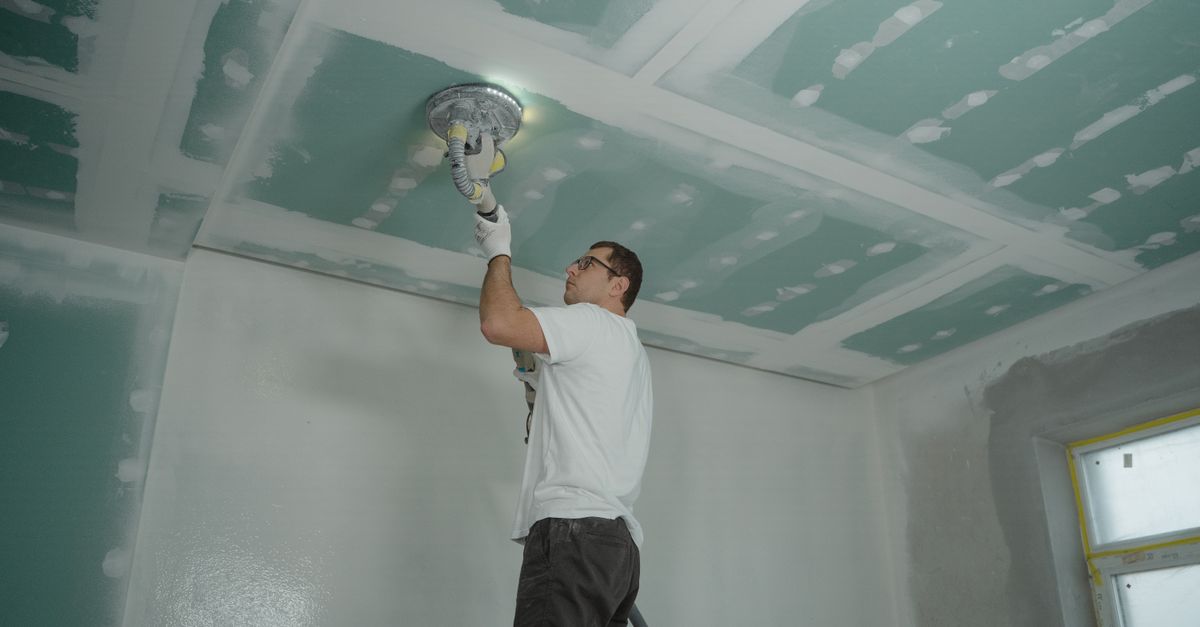
- Sand any uneven patches and fill holes with spackle.
- Prime the ceiling if it has a high‑gloss base coat.
- Use a roller with a ¾” nap for smooth surfaces; switch to a shorter nap on textured ceilings.
A solid prep job reduces paint waste and ensures longevity, especially in high‑traffic areas like living rooms or kitchens.
Common Pitfalls
What to Avoid When Hiring Ceiling Painters
- Skipping a primer on dark walls or existing glossy paint.
- Using low‑quality rollers that leave visible strokes.
- Neglecting to lift tape before the paint dries, causing edge lifting.
- Underestimating drying times between coats in humid climates.
- Failing to provide a clear cleanup plan for dust and debris.
These mistakes can lead to uneven finishes and costly touch‑ups later on.
Condo Painting Services: Rules & Constraints
Condos come with unique restrictions that affect painting schedules, materials, and coordination with building management.
HOA Guidelines
Typical Condo Restrictions
- No exterior paint changes during the same season as neighbors.
- Limited color palettes approved by the HOA board.
- Mandatory use of low‑VOC or zero‑VOC paints to maintain indoor air quality.
- Restricted access times for delivery and cleanup.
- Requirement that contractors provide proof of insurance before starting work.
Failing to comply can result in penalties or forced repainting, so verify all HOA documents ahead of time.
Environmental Considerations
- Choose paints with low odor and minimal volatile organic compounds to avoid disturbing neighbors.
- Use biodegradable cleaning solutions for post‑job cleanup.
- Schedule work during times when building occupants are least likely to be impacted by fumes.
Scheduling Considerations
Optimizing Work Hours for Condo Residents
- Schedule jobs during off‑peak hours (early mornings or late evenings).
- Limit work days to a maximum of three consecutive days per unit.
- Use portable drop cloths that can be removed quickly.
- Provide residents with daily progress updates via email or text.
- Coordinate with building management to secure elevator access if needed.
A respectful schedule reduces noise complaints and keeps the project on track.
Expert Painting Consultations
Before a contractor starts, an expert consultation can clarify expectations, surface conditions, and finish options.
What to Expect
Typical Consultation Checklist
- Walk‑through of the entire space with measurements taken.
- Discussion of desired color schemes and texture preferences.
- Assessment of existing paint condition (peeling, mildew).
- Evaluation of wall materials (drywall, plaster, concrete).
- Presentation of sample swatches or mock‑up panels.
A thorough consultation reduces the risk of mid‑project changes that inflate costs. Additionally, a contractor may create a small mock‑up wall to show how a specific finish will look in your lighting conditions before committing to full coverage.
Questions to Ask
Key Questions for Your Contractor
- How many coats will you apply and why?
- What brands of paint and primers do you recommend?
- Can you provide a written estimate with itemized costs?
- Do you offer a satisfaction guarantee or warranty on your work?
- What is your typical turnaround time for projects of this size?
These questions help you gauge professionalism and set clear benchmarks.
Cost and Budget Planning
Understanding the pricing structure of painting services prevents surprise expenses.
Pricing Models
Common Pricing Structures
- Per‑square‑foot rates: straightforward but can vary by finish complexity.
- Flat fee per room or per project: easier to compare quotes.
- Hourly labor charges: useful for small touch‑ups but may be higher overall.
- Material cost plus labor markup: ensures transparency on paint quality.
- Bundle packages that include prep, priming, and cleanup.
Select a model that aligns with your project scope and budget constraints.
Hidden Costs
Things That Can Inflate Your Invoice
- Insufficient surface preparation requiring additional sanding or patching.
- Unanticipated moisture issues needing dehumidification equipment.
- Use of premium eco‑friendly paint brands not included in the estimate.
- Delays caused by weather or scheduling conflicts that extend labor hours.
- Repaint jobs on damaged drywall or plaster that were not disclosed initially.
Making the Final Decision
After gathering data, compare each contractor against a set of weighted criteria to decide objectively.
Comparative Matrix for Evaluation
- Experience: 20% weighting – older firms may bring more reliability.
- Portfolio Quality: 15% weighting – visual evidence of skill.
- Client Reviews: 10% weighting – consistency in satisfaction.
- Cost Transparency: 20% weighting – clarity in quotes and billing.
- Compliance with HOA Rules: 15% weighting for condo projects.
- Scheduling Flexibility: 10% weighting – ability to adapt to your timeline.
- Warranty & Guarantees: 10% weighting – post‑project support.
After scoring each contractor, calculate a total score by multiplying the raw points by the weight percentages. The highest overall score typically represents the best fit for your project’s specific needs and budget.
Red Flags to Watch For
- No written contract or vague terms of service.
- Inconsistent pricing across similar projects.
- Lack of insurance or licensing documentation.
- Negative reviews citing poor communication or missed deadlines.
- Unwillingness to provide references from recent clients.
By applying this structured approach, you can confidently select a painting company that delivers the custom finish quality, ceiling expertise, and condo compliance your project demands. Remember to review each proposal carefully, verify all credentials, and maintain open communication throughout the process—your investment in a well‑executed paint job will pay dividends in both aesthetics and resale value.
What criteria do you prioritize when selecting a painting contractor for your home renovation?


