
How to choose a high‑end painting service for historic homes, schools, and warehouses?
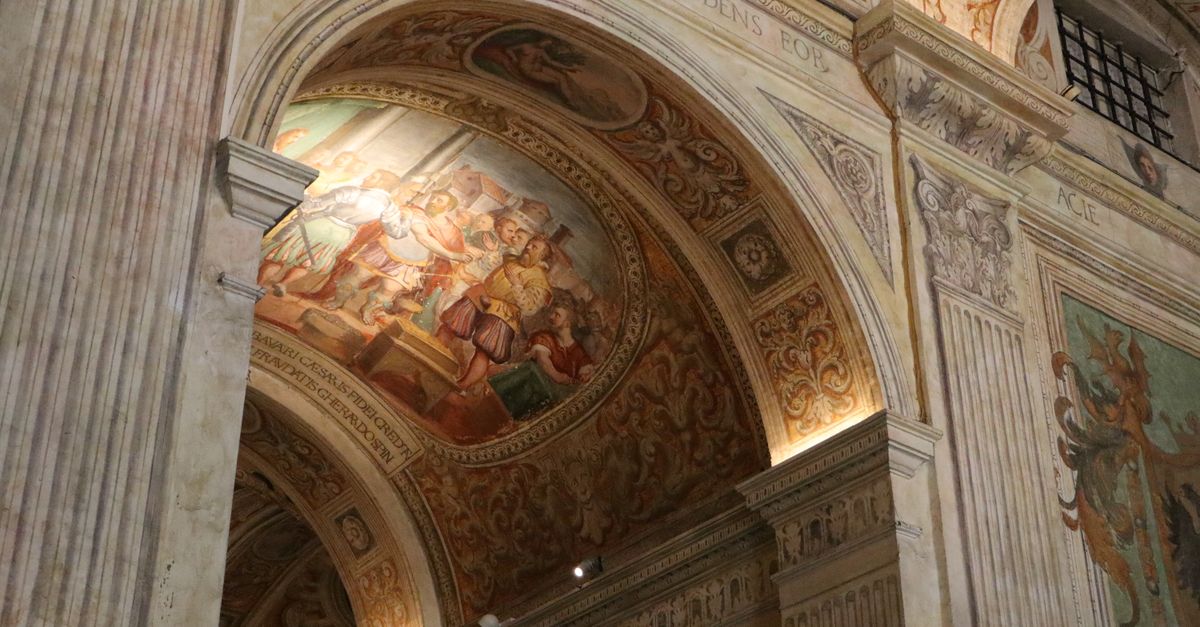
Choosing the right painting contractor is more than picking a color. For projects that range from preserving a historic mansion to refreshing a school’s interior or coating a warehouse’s exterior, you need a provider who understands the unique demands of each environment. This guide breaks down what to look for in high‑end painting services and how to evaluate them so your investment lasts.
1. Understand Your Project Scope
Every project has its own constraints—budget, timeline, accessibility, and regulatory requirements. Start by defining the scope: Are you restoring original woodwork or installing a new façade? Do you need color matching for institutional branding? Documenting these details helps filter contractors who specialize in your niche.
Key Scope Questions to Ask:
- What is the total square footage?
- Do historic preservation guidelines apply?
- Are there safety or accessibility requirements?
- What is the expected finish (matte, eggshell, satin)?
- Is a temporary paint removal process needed?
- What are the critical milestones and deadlines?
Answering these questions gives you a clear brief that any high‑end painting service can reference when preparing a proposal. For example, a historic home restoration may require meticulous documentation of original color palettes and the use of reversible finishes, while a school renovation might prioritize antimicrobial coatings and compliance with child‑safety standards. Similarly, a warehouse exterior job will often involve fire‑resistant paints that meet stringent OSHA and NFPA codes.
2. Evaluate Technical Expertise
High‑end projects demand specialized skills—primer selection, surface prep, finish application, and environmental controls. Verify each contractor’s experience with similar projects: historic homes, school renovations, or industrial warehouses.
Expertise Checklist:
- Years of service in the industry.
- Portfolio with comparable projects.
- Certifications for preservation work (e.g., RCS, ABP).
- Training in modern coating technologies.
- Ability to read and interpret architectural drawings.
- Experience managing large crews on complex sites.
In my experience working with a warehouse painting firm, their crew’s ability to coordinate crane operations saved us 12 hours of downtime.
A seasoned contractor will also demonstrate familiarity with surface‑specific prep techniques. For historic wood, that might mean gentle sanding and the use of tannin‑neutralizing primers; for concrete warehouses, it could involve epoxy or alkali‑silicate primers to bond effectively with existing coatings. Additionally, high‑end services should be comfortable using advanced tools—paint thickness gauges, laser levelers, and humidity monitors—to maintain consistency across large areas.
3. Check Materials & Finish Options
The durability and aesthetic quality of paint depend on the product line and application method. High‑end services should offer premium finishes tailored to each environment—low VOC for schools, fire‑resistant coatings for warehouses, and historically accurate pigments for heritage sites.
Material Evaluation Factors:
- Manufacturer reputation (e.g., Sherwin-Williams, Benjamin Moore).
- VOC content versus regulatory standards.
- Finish durability ratings (scratch, abrasion).
- Color matching technology (digital spectrophotometers).
- Environmental impact certifications (Green Seal, EcoLabel).
Choosing the right material reduces future maintenance costs and aligns with your project’s long‑term goals. For instance, a school might benefit from a low‑VOC, antimicrobial finish that can be wiped clean after high‑traffic use, while a warehouse could require a heat‑resistant, fire‑proof coating that meets NFPA 285 standards. The contractor should also explain the lifecycle of each paint system and how it interacts with environmental factors like temperature swings or humidity levels.
4. Review Licensing, Insurance, and Certifications
Even elite contractors can fall short if they lack proper documentation. Verify that each provider holds current state licenses, liability insurance, workers’ compensation, and any specialty certifications relevant to historic preservation or industrial coatings.
Documentation Checklist:
- State contractor license.
- General liability policy (minimum $1M).
- Workers’ comp coverage for all employees.
- Certificates of compliance with OSHA and EPA.
- Specialty credentials (e.g., Certified Paint Contractor).
The right painting service balances skill with solid legal protection, ensuring peace of mind throughout the project.
In addition to basic paperwork, ask for proof that the contractor keeps up‑to‑date training in safety procedures and new coating technologies. Many high‑end firms maintain an online dashboard where you can verify license status or inspect recent inspection reports from state agencies. This transparency is especially important when dealing with historic structures where any oversight could lead to irreversible damage.
5. Cost Analysis & Value Proposition
Price is a factor but not the sole determinant. Compare detailed proposals that break down labor, materials, equipment, and contingencies. Look for transparency in how costs scale with scope changes.
Cost Evaluation Points:
- Unit cost per square foot.
- Labor rate versus experience level.
- Material mark‑up percentages.
- Change order policies and escalation clauses.
- Warranty terms for paint defects.
A higher upfront fee can translate into lower lifecycle costs if the contractor uses superior materials and workmanship. For example, a premium epoxy coating on a warehouse may cost 20% more initially but will require half as many touch‑ups over five years compared to a standard acrylic system. Similarly, a historic restoration that employs reversible primers and archival finishes may have a higher material outlay but protects the building’s heritage value for generations.
6. Quality Assurance & Warranty
High‑end painting services should provide robust quality controls: surface inspection, test patches, and final walkthroughs. Verify warranty coverage for paint failure, peeling, or color shift.
QA & Warranty Elements:
- Pre‑paint surface preparation documentation.
- In‑process testing protocols.
- Final quality checklists signed off by the client.
- Warranty period (typically 1–5 years).
- Remediation procedures for defects.
When a school painting project had a 3‑year warranty, we avoided costly touch‑ups during exam season.
A reputable contractor will also provide a written “paint inspection report” after each major phase. This document should include photographs, paint thickness measurements, and notes on any deviations from the original plan. If a defect arises within the warranty window, the company should have a clear escalation path—often starting with a site visit, followed by a remedial patch that matches the original finish exactly.
7. Scheduling & Logistics for Large‑Scale Projects
Coordinating a historic restoration, a school renovation, or a warehouse coating requires meticulous scheduling to minimize disruption and protect sensitive areas. Ask how the contractor plans crew shifts, equipment staging, and site safety.
Logistics Checklist:
- Projected start and finish dates.
- Daily work hours and noise control measures.
- Access arrangements for restricted spaces.
- Equipment rental versus owned assets.
- Contingency plans for weather or supply delays.
Effective logistics reduce downtime for schools during the day or warehouses during peak operations. For instance, a warehouse might permit paint work only during off‑peak hours, requiring precise coordination with crane operators and safety officers. A historic home could demand that crew members wear dust suppression gear to protect original plasterwork from airborne particles.
8. Common Mistakes to Avoid
Even seasoned contractors can slip on oversight. Watch out for vague contracts, hidden fees, and lack of written warranties. Avoid firms that promise “quick fixes” without detailing surface prep or material selection.
Mistake Prevention Tips:
- Demand a written scope of work.
- Inspect prior project references in person.
- Ask for detailed cost breakdowns upfront.
- Verify insurance and licensing before signing.
- Ensure a clear dispute resolution clause.
By staying vigilant, you protect your investment from costly errors and ensure the final result meets high‑end standards.
9. Sustainability and Green Practices
Modern high‑end painting projects increasingly integrate sustainability into every phase. Contractors should demonstrate a commitment to environmentally responsible materials and waste management.
Sustainability Indicators:
- Use of low‑VOC or zero‑VOC paints that reduce indoor air pollution.
- Selection of coatings with high recyclability scores.
- On‑site waste segregation and proper disposal of hazardous materials.
- Energy‑efficient equipment, such as electric sprayers or heat‑controlled drying systems.
- Documentation of compliance with green building certifications (LEED, Green Seal).
Adopting green practices not only protects occupants but can also qualify the project for tax incentives or certification credits. For schools, lower indoor air quality risks directly translate into better learning environments; for warehouses, reduced volatile organic emissions help maintain compliance with environmental regulations.
Conclusion
Selecting a high‑end painting service for historic homes, schools, or warehouses is a multifaceted decision that goes far beyond color choice. By thoroughly defining your project scope, scrutinizing technical expertise, vetting materials, ensuring proper licensing and insurance, analyzing cost structures, confirming robust QA processes, coordinating logistics, avoiding common pitfalls, and embracing sustainability, you set the stage for a durable, compliant, and visually stunning finish. The right contractor will not only meet but exceed expectations—protecting your investment today and preserving its value for years to come.
What specific challenge have you faced when selecting a painting contractor for a large institutional project?


