
How Do I Choose Paint for a Historic House’s Fireplace Without Violating Preservation Rules?
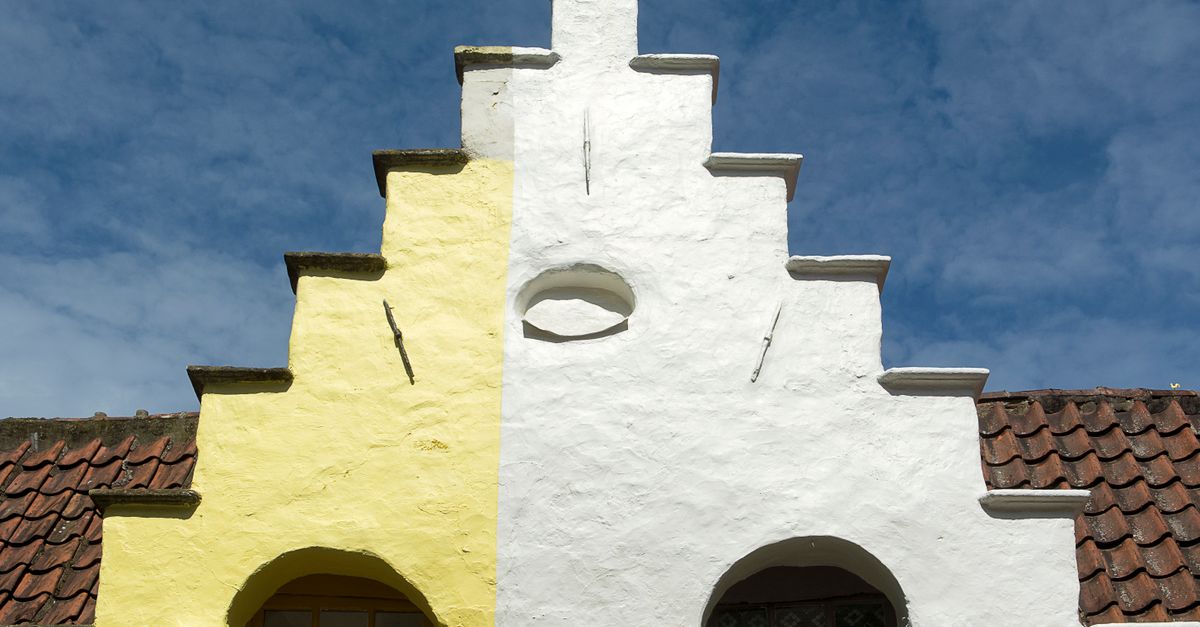
If you’re looking to refresh the fireplace in a historic home, you’re probably wondering which paint will look authentic while staying within preservation guidelines. The answer isn’t just about picking a color; it’s about selecting the right medium, preparing the surface properly, and following local regulations that protect heritage features.
Understanding the Challenge of Painting Historic Fireplaces
Historic fireplaces are often made from stone, brick, or aged wood. Each material reacts differently to paint, humidity, and temperature changes. Preservation societies typically require that any paint application be reversible, meaning you can remove it without damaging the original surface.
When a fireplace is part of a listed property, local ordinances may dictate which pigments are acceptable or even prohibit certain modern finishes. Ignoring these rules can lead to fines, restoration costs, and loss of historical integrity.
Key Considerations
- Material type (stone, brick, wood) – Determines the chemical compatibility with paint and the need for breathable coatings.
- Local preservation regulations – Many districts have approved paint lists; check with the historic commission before buying.
- Reversibility of the paint layer – The finish should be removable without leaving residue or weakening the substrate.
- Moisture content and ventilation – Historic homes often have limited airflow, so moisture can trap under paint.
- Color palette that matches historic period – Use color charts from the era of construction for authenticity.
- Fire safety codes – Especially relevant for commercial or multi‑unit residential settings.
- Long‑term maintenance – Choose finishes that can be cleaned without damaging the original material.
Selecting the Right Paint Type for Different Fireplace Surfaces
Choosing a paint is not one‑size‑fits‑all. For stone or brick, you’ll need a breathable latex-based product. Wood requires a finish that allows expansion and contraction without cracking.
The most common categories are:
Stone & Brick
These porous materials benefit from a water‑based acrylic latex paint. Acrylics retain breathability, preventing trapped moisture that could cause spalling. Avoid oil-based paints unless they’re specifically labeled “breathable” and approved by the local preservation board.
Common Stone & Brick Paints
- Sherwin‑Williams Duration – offers UV protection while staying breathable.
- Benjamin Moore UltraShield – a high‑performance, low‑VOC option for exterior stone.
Wood Fireplaces
For older wood fireplaces, a low‑VOC latex primer followed by a matte finish preserves the grain while reducing flammability. If the wood is highly deteriorated, consider a reversible epoxy system that can be removed with solvent.
Wood Finish Tips
- Use a natural oil (linseed or tung) for a subtle sheen that stays breathable.
- Acrylic sealer with low flammability rating keeps the wood safe for interior use.
- Apply thin coats to avoid trapping moisture inside the grain.
Plaster & Stucco Interiors
When the fireplace wall is plastered, use a flexible latex paint with high adhesion. This prevents cracking as the plaster moves with temperature changes. A 100% acrylic binder provides both flexibility and durability.
Plaster Paint Options
- Behr Premium – flexible latex that resists drying cracks.
- Zinsser PermaWhite – low‑VOC, mildew-resistant for interior walls.
Metal Fireplaces (Rare but Possible)
If the fireplace has a metal surround or mantels made of iron or steel, a rust‑resistant, reversible primer and paint system is essential. Look for products labeled “metal compatible” and ensure they can be stripped with solvent if future restoration is needed.
Metal Paint Checklist
- Pre‑treat rust spots with a metal etch primer.
- Use a water‑based enamel that dries quickly but remains removable.
- Avoid oil‑based paints unless they are specifically approved for reversible use on historic metals.
Preparing the Surface Safely and Legally
Preparation is where most mistakes happen. Skipping steps can lead to peeling, mold growth, or damage to historic features.
The standard prep sequence involves cleaning, repairing, priming, and finally painting. Each step must be documented for compliance with preservation guidelines.
Step‑by‑Step Prep Checklist
- Clean: Use a gentle, pH‑neutral cleaner to remove soot, grease, and loose paint. For stone or brick, a low‑pressure steam cleaner can lift grime without damaging the surface. Avoid harsh acids unless the material tolerates them.
- Repair: Fill cracks with compatible filler (e.g., hydraulic lime for stone, masonry putty for brick). When repairing plaster, use a joint compound that matches the original texture and color. For wood, replace severely rotted sections with matching species or a reversible composite core.
- Avoid Over‑Grinding: Lightly sand only where necessary; heavy sanding can expose original material. Use fine-grit sandpaper (220–320 grit) for stone and brick to open pores without over‑removing the substrate.
- Prime: Apply a breathable primer that matches the final paint’s adhesion properties. For stone, use a masonry primer; for wood, a low‑VOC latex primer; for plaster, a high‑adhesion latex primer.
- Seal (If Needed): For exterior stone or brick exposed to moisture, consider a reversible silicone sealant that can be washed off later. Avoid permanent waterproofing products unless approved by the preservation board.
- Documentation: Keep a photo log and written record of all preparatory work. This evidence will satisfy inspectors and preserve the historical narrative for future owners.
Cost Estimates & Timeframes for Residential vs Business Fireplaces
The budget and timeline vary depending on the size of the fireplace, material condition, and whether you’re working in a residential or commercial setting. Below are rough estimates based on typical projects I’ve managed.
Residential Fireplace (3‑4 ft wide)
- Cost: $500–$1,200 for paint, primer, and labor
- Timeframe: 2–5 days including prep and drying
- Key Variables: Surface condition, need for restoration work, local permitting, accessibility of the space.
Commercial / Business Fireplace (6‑8 ft wide)
- Cost: $1,500–$3,000 including higher-grade materials and extended prep
- Timeframe: 5–10 days due to larger surface area and stricter safety protocols
- Key Variables: Occupancy restrictions, HVAC impact, fire code compliance, need for temporary relocation of equipment.
Additional Cost Factors
- Consultation with a preservation specialist (often $150–$250 per hour).
- Specialty pigments or custom color matching services ($200–$500).
- Insurance and bonding for historic properties ($300–$800).
Creative Painting Ideas That Respect Historic Value
Once you’ve selected the right paint and prepared the surface, you can add a touch of personality without compromising historical authenticity. The goal is to enhance rather than obscure.
Color palettes should be inspired by the era of construction or local vernacular. Subtle accents—like a narrow border or a subtle glaze—can bring depth without overt modernity.
Quick Design Tricks
- Soft Earth Tones: Use sage, taupe, ochre to echo original stonework and period wallpaper trends.
- Thin Metallic Glaze: A metallic glaze in a muted bronze or pewter can add depth; it can be washed off with mild detergent if future restoration is required.
- Hand‑Painted Motifs: Reflect local folklore or architectural motifs (e.g., carved vines, geometric patterns) using low‑contrast watercolor washes that stay reversible.
- Consider a low‑gloss finish to reduce glare in rooms with historic lighting fixtures and to mimic the natural sheen of aged plaster.
- Feature Wall Technique: Paint the fireplace surround a slightly darker or lighter shade than the wall to create visual separation while keeping harmony with the overall palette.
- Use of Natural Pigments: Earth pigments like raw umber, burnt sienna, and ochre can be mixed into acrylics for subtle color variation that blends seamlessly with historic surfaces.
Design Process Example
1. Research the Period Palette: Gather color swatches from local historical societies or online archives of 19th‑century paint catalogs.
2. Select a Base Color: Choose a neutral that matches existing stone or wood tones.
3. Create Accent Areas: Identify corners, mantels, or hearth edges for subtle contrast using the thin metallic glaze technique.
4. Apply Test Swatches: Paint small areas and photograph them under different lighting to ensure authenticity.
5. Document Decisions: Record pigment choices and rationale for future reference.
Practical Steps for Reversible Painting
A reversible paint system is essential in historic preservation because it allows future generations to return the fireplace to its original state or apply a new finish without damaging the underlying material. Here’s how you can ensure reversibility:
- Select Non‑Permanent Pigments: Use pigments that do not chemically bond with the substrate when mixed into water‑based paints.
- Avoid Thick Layers: Thin coats (2–3 mils) reduce the amount of binder and make removal easier.
- Use Solvent‑Removable Sealers: If a sealer is required for moisture control, choose one that can be dissolved with non‑toxic solvents (e.g., acetone or citrus-based cleaners).
- Keep a Removal Plan: Document the exact sequence of layers and the chemicals needed to strip them.
Common Challenges & How I’ve Overcome Them
In my experience, the most common oversight was using a high‑gloss enamel on an old stone fireplace. It looked shiny initially but trapped moisture and caused blistering within a year.
Another frequent issue is the misapplication of primer on brick surfaces that have already been primed by previous owners. The second layer can create an impermeable barrier, leading to dampness behind the paint. To avoid this, test for existing primer with a solvent wipe before proceeding.
What Paint Challenges Have You Faced When Restoring Historic Fireplaces?
If you’re working on a historic property, you likely have unique questions about paint selection, preparation techniques, or compliance hurdles. Share your experiences and solutions in the comments below so we can learn from one another.
What paint challenges have you faced when restoring historic fireplaces, and how did you resolve them?


