
How do I choose a professional painter for exterior and fireplace projects that delivers custom color matching and luxury results?
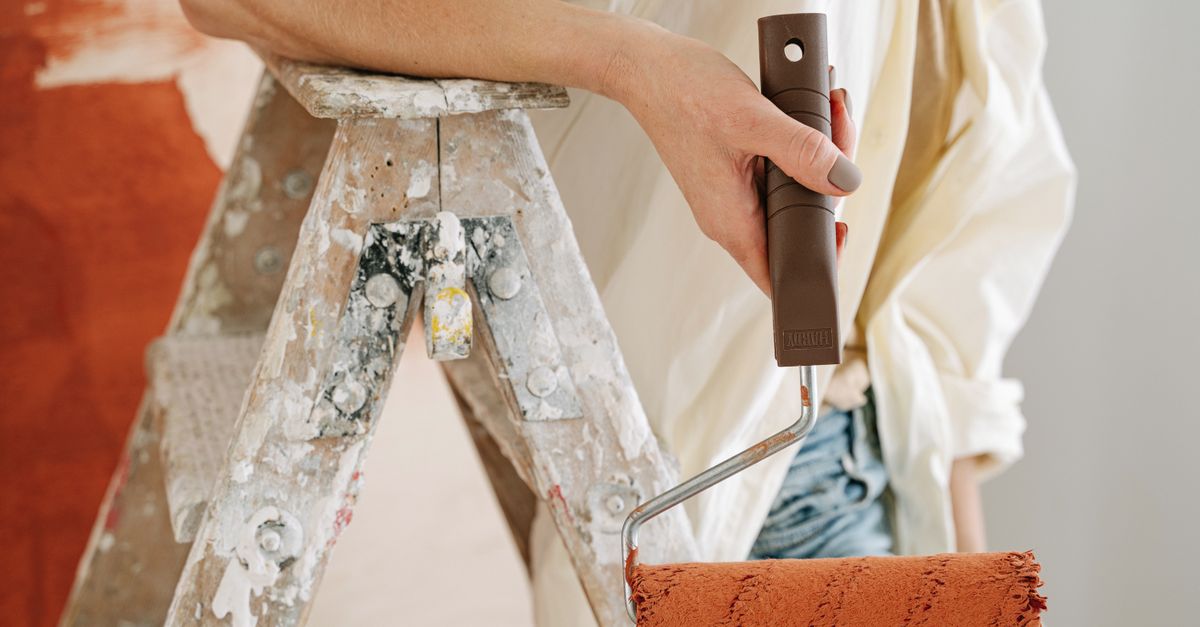
When you’re planning an exterior makeover or a fresh look for your fireplace, the question isn’t just which paint to buy—it’s who will apply it. A professional painter can turn a standard coat into a durable, high‑quality finish that reflects your style while protecting the structure. In this guide I’ll walk through the critical factors: custom color matching, luxury solutions, preparation, cost, and how to vet a contractor so you get a result that lasts.
Why Professional Painters Matter
The difference between a DIY job and hiring experts is not just skill; it’s precision, safety, and long‑term value. A professional painter brings:
Key Advantages of Hiring Professionals
- Accurate color matching that accounts for lighting variations.
- Proper surface preparation to prevent peeling or mildew.
- Compliance with local building codes and environmental regulations.
- Use of high‑grade materials designed for exterior durability.
- Warranty coverage on workmanship and paint.
Choosing a skilled contractor means you invest in longevity rather than chasing a quick, low‑cost fix.
After reviewing these benefits, you’ll be ready to assess your project’s specific needs and ensure the painter can deliver accordingly.
Custom Color Matching: How It Works
The color you see on a paint canister is just one part of the equation; the true match depends on lighting, surface texture, and surrounding hues. Professional painters use spectrophotometers and digital software to capture the exact hue, saturation, and brightness of your reference paint or natural material.
Step‑by‑Step Process for Custom Color Matching
- Sample collection: The painter takes swabs or swatches from the existing surface.
- Digital analysis: A spectrophotometer measures light absorption across wavelengths.
- Formulation: Paint chemists blend pigments to replicate the measured spectrum.
- Test application: A small area is painted and inspected under various lighting conditions.
This rigorous approach eliminates surprises like “the new paint looks washed out after sunset.”
Once the color is finalized, the painter can proceed with confidence that the finish will remain consistent across all surfaces.
Luxury Painting Solutions: What Sets Them Apart
If you’re looking for a premium finish, luxury painting goes beyond the standard latex coat. It incorporates advanced materials and techniques that offer superior sheen, durability, and environmental performance.
Features of Luxury Painting Services
- High‑performance sealants with UV resistance up to 10 years.
- Low volatile organic compound (VOC) formulations for indoor air quality.
- Custom gloss levels—from satin to high‑gloss—tailored to architectural style.
- Integrated anti‑mildew and anti‑rust additives for exterior surfaces.
- Professional color grading to match historic or custom palettes.
- Post‑application maintenance plans, including touch‑up kits.
This suite of features ensures the paint not only looks good but also withstands environmental stresses without frequent repainting.
When you opt for a luxury solution, you’re essentially extending the life cycle of your exterior and interior surfaces.
Exterior Painting Essentials
The exterior of your home faces weather extremes. Proper preparation and material selection are critical to avoid costly repairs.
Seven Preparation Steps for Exterior Painting
- Inspection: Identify cracks, rot, or previous peeling paint.
- Cleaning: Use power washing or pressure‑safe methods to remove grime.
- Repair: Fill voids with exterior-grade filler and sand smooth.
- Priming: Apply a high‑quality primer that bonds to old paint and base material.
- Protection: Tape off windows, trim, and landscaping to prevent overspray.
- Weather window: Schedule work during dry periods; avoid high humidity or rain.
- Final inspection: Verify surface integrity before the first coat.
Skipping any of these steps can lead to premature failure—think peeling paint or mildew growth.
By completing each prep step, you give your new finish a stable foundation and maximize its lifespan.
Fireplace Painting Tips
A fireplace is both a focal point and a heat source, so its finish must withstand high temperatures and thermal expansion. Professional painters treat it as a specialized project.
Eight Practical Fireplace Painting Guidelines
- Select heat‑resistant paint rated for at least 1200°F.
- Use a high‑quality primer designed for masonry or stone surfaces.
- Apply multiple thin coats rather than one thick layer to prevent cracking.
- Incorporate a flexible sealant between layers to accommodate expansion.
- Ensure proper ventilation during application to avoid inhaling fumes.
- Avoid painting over existing flues without manufacturer approval.
- Use masking tape that can withstand high temperatures.
- Schedule an inspection with your HVAC professional after completion.
These steps help maintain both safety and aesthetic appeal in a space that sees daily use.
A well‑finished fireplace not only looks great but also contributes to indoor air quality by preventing flue leaks.
Avoid Common Mistakes
Even experienced homeowners fall into pitfalls that compromise paint quality. Being aware of these can save time and money.
Five Typical Painting Errors to Steer Clear Of
- Applying paint on damp or wet surfaces.
- Skipping the primer step, especially when changing color dramatically.
- Using low‑quality paint for exterior work.
- Neglecting to clean tools after each coat, leading to streaks.
- Rushing application during unfavorable weather conditions.
By checking against this list before starting, you’ll avoid costly rework.
A thorough pre‑job audit can prevent the most common headaches and keep your budget on track.
Cost Breakdown and Value
The price of a painting project is influenced by several factors. Understanding them lets you compare quotes more effectively.
Key Cost Drivers for Exterior and Fireplace Projects
- Surface area: Larger walls or multiple rooms increase labor hours.
- Preparation complexity: Extensive repair work adds time and materials.
- Paint type: Luxury or heat‑resistant paints come at a premium.
- Number of coats: Some finishes require two or more layers for durability.
- Location and accessibility: Hard‑to‑reach areas can raise labor costs.
Remember, the lowest bid isn’t always best. Factor in warranty coverage and paint quality when evaluating total value.
When you break down each cost component, it becomes easier to spot overcharges or hidden fees.
How to Evaluate a Painter
Selecting the right professional is as important as choosing the right paint. A systematic evaluation reduces risk.
Six Criteria for Vetting Professional Painters
- Licensing and insurance: Verify state or local certifications and liability coverage.
- References and portfolio: Ask to see completed projects similar in scope.
- Detailed estimate: Look for itemized labor, materials, and contingency lines.
- Warranty terms: Confirm coverage duration and what it includes.
- Communication style: A responsive contractor keeps you informed throughout the process.
- Environmental policies: Check if they use low‑VOC or eco‑friendly products.
After gathering this information, compare each candidate against your project’s priorities.
A disciplined vetting process minimizes surprises and ensures a smoother project timeline.
Final Thoughts
Choosing a professional painter for exterior and fireplace projects isn’t just about the finish—it’s about ensuring durability, safety, and long‑term satisfaction. By focusing on custom color matching, luxury solutions, meticulous preparation, and rigorous evaluation of contractors, you’ll achieve results that stand out visually and functionally.
Key takeaway: The quality of a paint job depends more on the process and materials than the price tag; invest in expertise for lasting value.In my experience, projects that start with clear prep plans and a well‑matched color palette reduce rework by up to 30%. It’s worth spending time upfront to avoid costly surprises down the line.
What specific challenges have you faced when selecting paint colors for exterior surfaces in varying climates?


