
How Can I Choose Affordable Exterior Painting for My Business in 2026?
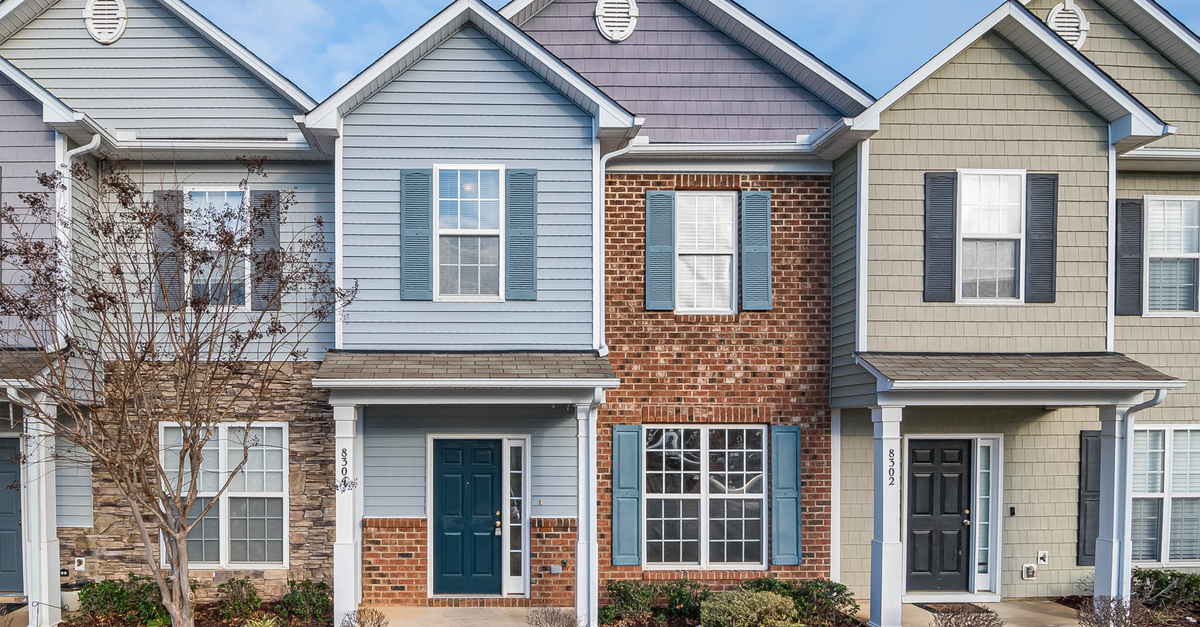
I run a portfolio of commercial and industrial properties, and one recurring challenge is finding exterior painting solutions that deliver quality without breaking the budget. The paint job isn’t just about color; it’s a protective layer, a marketing statement, and an investment in asset longevity. When I evaluate options, I look for a balance between cost efficiency and professional craftsmanship—especially when the property serves as a storefront or a production facility.
Why Exterior Painting Matters for Businesses
The exterior of any commercial building is its first impression. A fresh coat of paint signals maintenance diligence, attracts customers, and can even influence rental rates. Beyond aesthetics, proper painting protects against weathering, corrosion, and mold—issues that can lead to costly repairs or downtime. For manufacturing plants and factories, the paint also plays a role in safety compliance, ensuring surfaces meet fire‑retardant standards where required.
When evaluating the overall value of a painting project, I always consider how the finished look will align with brand identity. A well-chosen color palette can reinforce corporate messaging, while an outdated or faded exterior may undermine credibility. In addition, many municipalities now offer tax incentives or rebates for buildings that adopt energy‑efficient coatings such as cool roofs or high‑reflectivity finishes—an extra financial layer to factor into the decision.
Choosing an Affordable Exterior Painting Solution
When I ask for quotes, I start with a clear scope of work: surface prep, priming, finish type, and any special coatings needed. A reputable contractor will provide a detailed breakdown rather than a lump sum. Here are the key factors I consider:
Key Decision Factors
- Cost per square foot. Compare rates across licensed companies to gauge market pricing.
- Material quality. Affordable does not mean low‑grade paint; verify manufacturer warranties and durability specs.
- Turnaround time. Faster jobs can reduce downtime but may inflate labor costs—balance is essential.
- Project history. Look for case studies or references from similar industrial projects.
These criteria help me narrow down options that align with budget constraints while maintaining quality. I also ask whether the contractor offers a maintenance plan, which can extend paint life and reduce future costs.
Step‑by‑Step Requesting of Quotes
To streamline the bidding process, I use a standardized form that includes:
- Building footprint and height data.
- Surface material breakdown (metal, concrete, composite).
- Desired finish characteristics (gloss, satin, matte).
- Any environmental or safety considerations such as low‑VOC requirements.
Providing this information upfront reduces ambiguity in the contractor’s estimate and ensures that all bids are comparable on a like‑for‑like basis. It also signals to potential vendors that I am organized and serious about cost control, which can encourage more competitive pricing.
Evaluating Material Choices Without Overpaying
Paint manufacturers offer a spectrum of product lines—from economy grades to premium, long‑life solutions. I look for products that strike the right balance between performance and price by checking:
- Warranty length (e.g., 5–10 years).
- Resistance ratings for UV, moisture, and abrasion.
- Compatibility with the underlying substrate.
By confirming these attributes, I can avoid costly re‑painting cycles that would otherwise erode any initial savings on a lower‑priced paint line.
The Role of a Licensed Painting Company
A licensed painting company demonstrates compliance with state regulations, insurance coverage, and adherence to safety standards. When dealing with industrial or factory environments, licensing also indicates that the crew is trained for high‑temperature surfaces, hazardous materials handling, and large‑scale project logistics.
In my experience, I’ve seen projects where unlicensed crews cut corners on prep work, leading to premature paint failure. Licensed firms invest in proper surface cleaning, primer application, and finish layers that meet ASTM standards.
Insurance & Liability Protection
A contractor’s insurance protects both the business owner and the client against accidental damage or injury during the painting process. I verify that general liability coverage is current and sufficient for the size of the project, as well as worker’s compensation to ensure employees are covered in case of on‑site incidents.
Training & Certification
Licensed companies typically maintain certifications such as the National Association of Home Builders (NAHB) or local industry bodies. These credentials confirm that crews stay current with evolving techniques, safety protocols, and product knowledge—critical for complex industrial surfaces where a single mistake can be costly.
Industrial Painting vs Residential: Key Differences
Industrial painting demands a different set of specifications than residential jobs. The scale is larger, the surfaces often include steel or concrete, and environmental factors—such as chemical exposure—require specialized coatings. Here’s how they differ:
Comparative Overview
- Surface Types. Residential walls are usually drywall or wood; industrial sites feature metal, concrete, or composite panels.
- Coating Requirements. Industrial paint often needs anti‑corrosion, fire‑retardant, or high‑temperature resistance properties.
- Application Methods. Spraying systems, robotic arms, and large rollers are common in factories; residential jobs rely on hand tools.
- Safety Protocols. Elevated work platforms, fall protection, and ventilation are mandatory for industrial crews.
Understanding these distinctions ensures I select a contractor capable of meeting the specific demands of each project type.
Case Example: Metal Beam Protection
In one recent refurbishment of a steel mill, the client required a coating that could withstand temperatures up to 250 °C during operation. The chosen product was a high‑temperature epoxy primer followed by a silicone elastomer topcoat. This combination met both fire‑retardant and corrosion‑resistance criteria while staying within budget constraints because the contractor negotiated bulk pricing on the specialty primers.
Attention to Detail: What Sets Professional Work Apart
A paint job’s longevity hinges on meticulous preparation. Even the most premium paint will fail if applied over uneven surfaces or without proper primer. Professionals pay attention to:
- Surface cleaning. Removing grease, dust, and old flaking paint.
- Repairing defects. Filling cracks or holes with appropriate fillers.
- Prime layering. Using a compatible primer to bond the topcoat.
- Consistent application. Maintaining even thickness across large areas.
These steps may add time and cost but prevent costly touch‑ups or premature repainting.
Inspection Checklist Before Paint Application
- Visual assessment for rust, peeling, or mold.
- Surface moisture test to ensure proper adhesion.
- Confirm primer compatibility with existing coatings.
- Document baseline conditions with photographs and notes.
This systematic approach allows me to verify that the contractor has addressed all critical issues before committing to a final payment.
Factory Painting: Challenges and Best Practices
Factories present unique obstacles: high traffic, exposure to chemicals, and the need for minimal downtime. Effective strategies include:
- Phased scheduling. Painting in shifts to keep production running.
- Ventilation control. Using exhaust systems to manage fumes.
- Material selection. Choosing paints with quick‑dry properties and low VOCs for worker safety.
- Quality audits. Conducting post‑application inspections to verify coverage and adhesion.
By integrating these practices, a licensed painting company can deliver a factory paint job that meets operational constraints while maintaining durability standards.
Managing Production Interruptions
When a painting project overlaps with critical manufacturing cycles, I coordinate closely with the plant manager to identify windows of reduced activity. This might involve scheduling exterior work during off‑peak hours or temporarily relocating equipment. The contractor’s ability to adapt to these constraints is often reflected in their flexibility and communication skills.
Environmental Controls on Site
In addition to ventilation, I ensure that the site has proper dust collection systems if sanding is required. This protects both workers and product lines from airborne particulates that could compromise surface integrity or machinery operation.
The key takeaway: An affordable exterior painting solution is achievable when you combine a licensed contractor’s expertise with a clear understanding of material requirements and attention to detail.As I continue to manage diverse properties, the lesson remains consistent—invest in preparation, verify licensing, and choose paint products that match each environment’s demands. These steps ensure not only cost savings but also long‑term protection for your assets.
Long‑Term Maintenance Planning
Even after a successful painting job, ongoing maintenance is vital. I recommend establishing a semi‑annual inspection routine to detect early signs of wear or environmental damage. Minor touch‑ups can be scheduled during low‑traffic periods, preventing the need for full re‑painting and extending the life cycle of the exterior finish.
Many contractors offer extended warranties that cover not only paint defects but also primer failure. By negotiating these terms up front—especially in industrial settings where exposure is higher—I safeguard against unexpected repair costs.
What are the most common mistakes you’ve seen businesses make when selecting an exterior painting contractor?


